Key Takeaways
- Soft skills like teamwork and patience grow through shared activities.
- Group projects give children practice in listening and taking turns.
- Small setbacks in class help kids learn to try again in their own time.
- Daily routines in after-school care build independence and responsibility.
- Simple chats at home help children reflect on what they’ve learnt.
Skills You Won’t Find on a Report Card
Grades tell part of the story, but there’s plenty they don’t show — like whether a child can work in a team, cope when things don’t go their way or speak up when they’ve got an idea. These soft skills tend to develop through practice, and after-school time offers a lot of it. So, can classes outside school help? The short answer is that they can, especially when lessons involve working with others. Group-based activities in enrichment classes in Singapore put children in situations where cooperation and communication come up naturally. Some families also find that nearby student care centres add another layer, since kids spend time with a steady group of peers every day.
What Counts as a Soft Skill?
Soft skills are the personal and social abilities that help people get along, work together and handle everyday challenges. For children, that might look like waiting their turn, explaining an idea to a friend, managing frustration or keeping track of their own belongings. Unlike times tables or spelling lists, these skills aren’t usually taught in a single lesson. They build up gradually through repeated experiences, which is why the setting matters. Pair work, group tasks and small performances in enrichment classes in Singapore give kids regular chances to practise, often without them realising they’re learning anything beyond the activity itself.
Where These Skills Show Up in Class
Here’s how a few common class moments can give kids hands-on practice:
| Soft Skill | A Class Moment That Builds It |
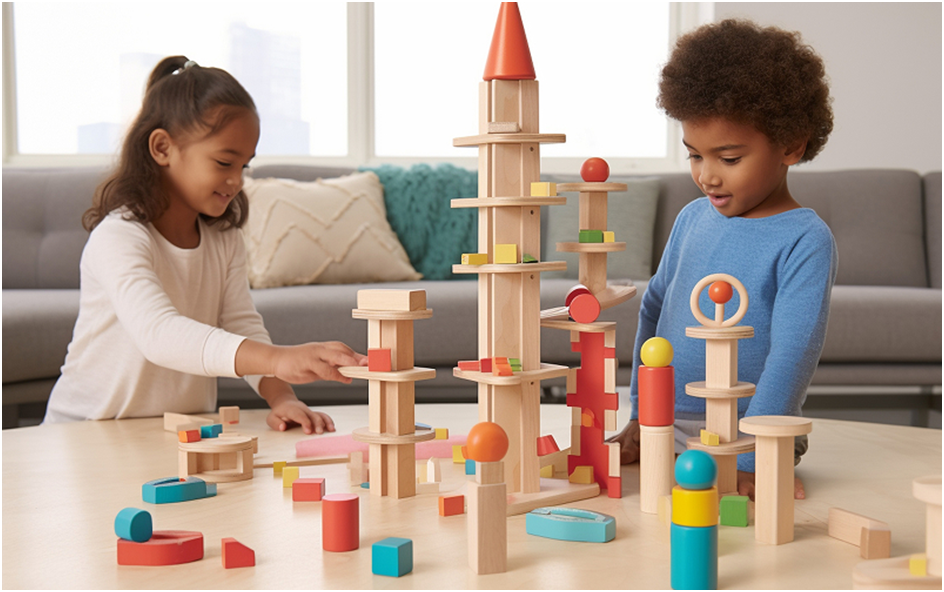
| Teamwork | Building a model with classmates, where each person handles one part, and the pieces have to fit together |
| Communication | Presenting a finished artwork or project and answering questions from the group |
| Resilience | Retrying a tricky piece of music or a coding task after the first attempt doesn’t work out |
| Empathy | Rehearsing a short drama scene and thinking about how a character might feel |
When comparing programmes, ask how much of each session involves working with others. Classes at some nearby student care centres rotate group roles, so quieter kids also get a turn to lead.
Learning From Everyday Routines
Soft skills don’t only grow during the “lesson” part of the afternoon. The routines around each activity count too, and children who attend enrichment classes in Singapore through an after-school care setting can pick up extra practice in moments like these:
- Packing up their own materials and keeping track of their bag, which builds a sense of responsibility.
- Sharing snacks, games or art supplies with others, giving them practice in taking turns and being fair.
- Sorting out small disagreements with friends, sometimes with a little guidance from staff, so they learn to talk things through.
- Settling into homework after a busy session, which helps them practise switching focus on their own.
Spotting Progress at Home
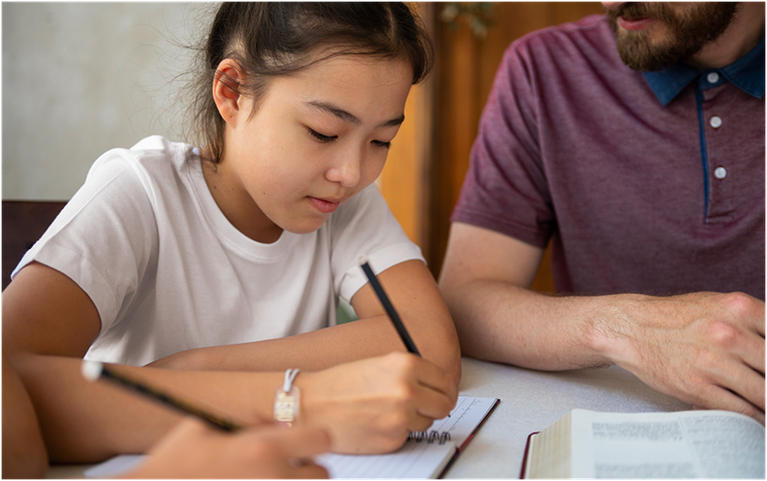
Soft skills can be hard to measure, but you’ll often notice small changes at home first. Maybe your child starts explaining their ideas more clearly at dinner, or takes losing a board game a little more in their stride. These moments are worth pointing out, since recognising them helps kids see their own growth.
Simple questions help too. Asking “Who did you work with today?” or “What was tricky, and what did you try next?” encourages children to reflect on how they handled situations, not just what they did. If your child attends one of the nearby student care centres, staff can also share how they’re getting along with others.
Growing Skills That Last Beyond the Classroom
So, can enrichment classes help children build soft skills? They can, particularly when activities involve working with others, trying again after a setback and sharing ideas out loud. Add in the daily routines of an after-school setting, and kids get regular chances to practise responsibility, patience and cooperation in ways that feel natural rather than forced.
These skills take time, and progress may look different for each child. Some kids grow more confident speaking up within a term, while others build patience or teamwork more gradually. Keeping an eye on the small changes, chatting about their day and recognising their effort can help them see how far they’ve come — and encourage them to keep going.
Contact Curos to learn about after-school programmes where your child can practise working with others, one activity at a time.