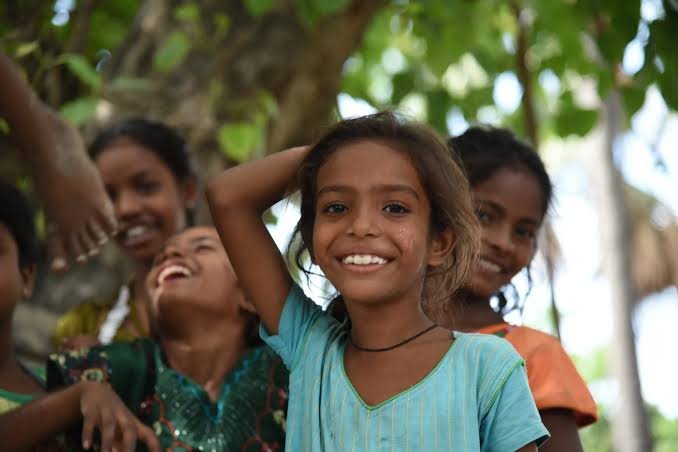
There’s a quiet kind of transformation that happens when an adult learns to read confidently for the first time — I’ve seen it firsthand through a family friend who joined a literacy program at 52 and started reading newspapers within a year. The benefits of adult education programs run far deeper than just literacy statistics; they touch confidence, income potential, and entire family dynamics.
What Are the Core Benefits of Adult Education Programs India Runs
In brief: the primary benefits of adult education programs in India include improved employability and income potential, greater independence in daily tasks like banking and healthcare navigation, increased confidence and social participation, and positive ripple effects on children’s own educational engagement at home.
Improved Employability and Income Potential
This is often the most immediate, practical benefit adult learners experience. Basic literacy and numeracy skills open doors to jobs and opportunities that were previously inaccessible.
Real changes learners often report:
- Ability to read and understand employment contracts or wage slips independently
- Confidence to pursue vocational training programs requiring basic literacy prerequisites
- Better negotiation ability in informal work settings, no longer dependent on others to read documents
Greater Independence in Daily Life
Simple daily tasks that literate people take entirely for granted become genuinely empowering once mastered — reading medicine labels, understanding bus route signs, filling out basic forms without needing help.
Picture an adult learner who previously needed a family member to accompany them for every bank visit — after completing basic literacy training, that same person can independently manage their own banking, a small but genuinely significant shift in daily autonomy.
Digital Literacy and Access to Government Services
With so many government schemes and services now digitized, basic digital literacy taught alongside traditional adult education has become genuinely essential, not optional.
[link to related guide on adult education government schemes india here]
This includes:
- Understanding how to use UPI for basic transactions
- Accessing government scheme applications online
- Navigating basic smartphone functions for healthcare and information access
Positive Impact on Children’s Education
This benefit doesn’t get discussed enough, honestly. When a parent, particularly a mother, becomes literate, research consistently shows measurable positive effects on their children’s own educational engagement and outcomes at home.
A parent who can read even basic material is far more likely to actively support homework, understand school communication, and value continued education for their children — creating a genuine generational ripple effect.
Increased Social Participation and Confidence
Illiteracy often carries a quiet social stigma that keeps adults from participating fully in community discussions, local governance meetings, or even casual social settings where reading or writing comes up unexpectedly.
I’ve noticed that adult learners frequently describe a shift not just in practical skill, but in how they carry themselves socially — participating more actively in community decisions, local self-help groups, or even just conversations they previously avoided.
Health Literacy Improvements
Understanding basic health information — medicine dosages, government health scheme eligibility, nutritional labeling — directly improves health outcomes for adult learners and their families.
[link to related guide on distance education degree recognition here]
Economic Benefits at the Community Level
Beyond individual impact, communities with higher adult literacy rates tend to show broader economic participation improvements — more residents engaging with formal banking, government schemes, and small business opportunities that require basic literacy as a prerequisite.
Building Long-Term Learning Habits
For many adult learners, completing a basic literacy program becomes a genuine gateway to continued learning — pursuing vocational certifications, exploring distance education options, or simply maintaining reading as a lifelong habit they’d never had access to before.
FAQ
Do adult education programs only benefit very old learners? No, adult education serves learners of all ages from 15 upward, including younger adults who missed formal schooling due to various circumstances.
How long does it typically take to see benefits of adult education programs? Basic literacy foundations often develop within 6-12 months of consistent participation, though the pace varies by individual and program intensity.
Can adult education programs lead to formal job placement support? Some schemes integrate vocational training with basic literacy, which can improve employability, though formal placement support varies by specific program and region.
Does adult education really impact children’s educational outcomes? Yes, research consistently links parental literacy, particularly maternal literacy, with improved educational engagement and outcomes among children in the household.
Are there adult education programs specifically designed for women? Yes, many state-level schemes specifically integrate women’s adult education with self-help group activities and livelihood skill training.
Conclusion
The benefits of adult education programs India offers extend well beyond the basic ability to read and write — they touch employment potential, daily independence, family dynamics, and genuine community participation. If financial or logistical barriers have kept someone in your life from accessing formal education, these programs exist specifically to remove those barriers, often completely free of cost. It’s never too late for that first step, and the ripple effects genuinely extend far beyond the individual learner.
Suggested image alt text:
- “Adult learner celebrating literacy achievement India”
- “Adult education program improving employment opportunities”
- “Mother and child benefiting from adult literacy education impact”