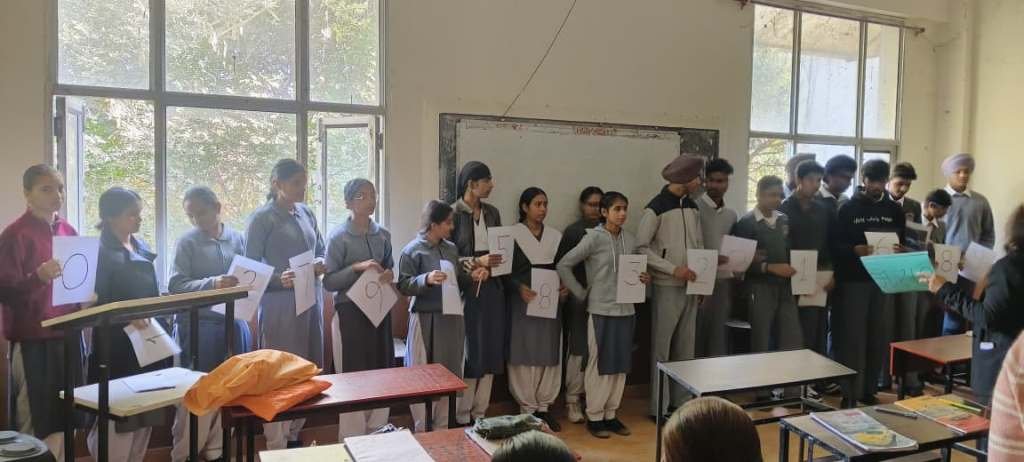
Fifteen years old and expected to pick a path that decides your next decade? That’s basically what happens to every student in India right after Class 10. If you’re stuck staring at a stream-selection form right now, take a breath — the career options after 10th are genuinely wider than the three boxes your school counselor probably mentioned.
What Are the Main Career Options After 10th
Short answer: career options after 10th in India fall into four broad paths — the traditional Science/Commerce/Arts streams, vocational diplomas, ITI courses, and direct skill-based certifications. The right one depends far more on your interests and financial situation than most people admit.
The Traditional Stream Route: Science, Commerce, Arts
This is still the default path for most students, and for good reason — it keeps options open for later.
- Science (PCM/PCB) — leads toward engineering, medicine, or pure sciences
- Commerce — good for CA, CS, business, and finance careers
- Arts/Humanities — often underrated, but strong for law, civil services, media, and psychology
I’ve noticed a lot of students pick Science just because it’s considered “prestigious,” even when their actual interest lies in writing or design. That’s a mistake I’d genuinely caution against.
Vocational Diplomas: An Underrated Path
Polytechnic diplomas in fields like mechanical, civil, electrical, or computer engineering let you skip two years of school (11th and 12th) and dive straight into a three-year diploma. You come out job-ready, often earlier than a traditional degree student.
Picture a student in a small town near Jaipur who isn’t interested in another two years of theory-heavy schooling — a polytechnic diploma gets them into paid apprenticeships faster.
ITI Courses for Hands-On Careers
Industrial Training Institutes (ITIs) offer short, focused courses — electrician, fitter, welder, plumber — typically one to two years long.
Benefits worth knowing:
- Lower cost compared to degree programs
- Strong placement rates in manufacturing and infrastructure sectors
- Government-recognized certification (NCVT/SCVT)
These don’t get talked about enough, honestly, given how solid the employment outcomes actually are.
[link to related guide on distance education courses after graduation here]
Career Options in Creative and Digital Fields
Not every 15-year-old wants to become an engineer or a CA — and that’s completely fine. Digital fields like graphic design, video editing, and content creation now have legitimate, structured certificate courses that don’t require waiting until after graduation.
Options include:
- Short-term diploma in graphic design or animation
- Digital marketing certification courses
- Photography and videography vocational training
Government Exam Preparation Starting Early
Some students choose to prepare for defence-related entrance paths (like NDA) right after 10th, using 11th and 12th as preparation years alongside their board studies. This isn’t for everyone, but for the right student, it’s a focused, purposeful route.
How to Decide Between These Career Options After 10th
Here’s a genuinely useful exercise: write down what you enjoyed most in the last two years of school — not the marks, the actual enjoyment. That single exercise tells you more than any aptitude test app.
A few practical questions to ask yourself:
- Do I enjoy solving numerical problems or writing/expressing ideas?
- Am I okay with 2 more years of theory-heavy study, or do I want hands-on work sooner?
- What can my family realistically afford right now?
[link to related guide on resume tips for freshers here]
Financial Considerations Families Often Overlook
Engineering and medical coaching can run into lakhs of rupees over two years. ITI and polytechnic courses cost a fraction of that and often lead to paid work faster. This isn’t said enough in career counseling sessions, and it genuinely should be.
FAQ
Is it necessary to pick Science after 10th to have good career options? Not at all. Commerce and Arts students go on to build equally strong, well-paying careers — the stream matters less than the effort and clarity of direction.
Can I switch streams later if I choose wrong after 10th? It’s possible but harder — some switches (like Arts to Science) require bridge courses or extra effort. Better to research thoroughly before choosing.
Are ITI courses looked down upon compared to degrees? Less so now, especially with rising demand for skilled trades. Many ITI graduates earn well and get placed faster than some degree holders.
What’s the age limit for polytechnic diploma admission? Generally there’s no strict upper age limit for most state polytechnic programs, though eligibility criteria vary by state.
Should I choose a stream based on future salary potential? Salary matters, sure, but a stream you can actually sustain interest in for years usually leads to better outcomes than one picked purely for money.
Conclusion
There isn’t one “correct” answer among the career options after 10th — there’s only the one that fits you. Talk to people already working in fields you’re curious about, not just relatives pushing you toward engineering or medicine by default. Whatever you choose, remember this decision isn’t permanent — plenty of successful professionals switched paths later and did just fine. Take the decision seriously, but don’t let it paralyze you.
Suggested image alt text:
- “Indian student choosing between science commerce arts stream after 10th”
- “ITI vocational training student learning electrical skills”
- “Polytechnic diploma classroom career options after 10th India”