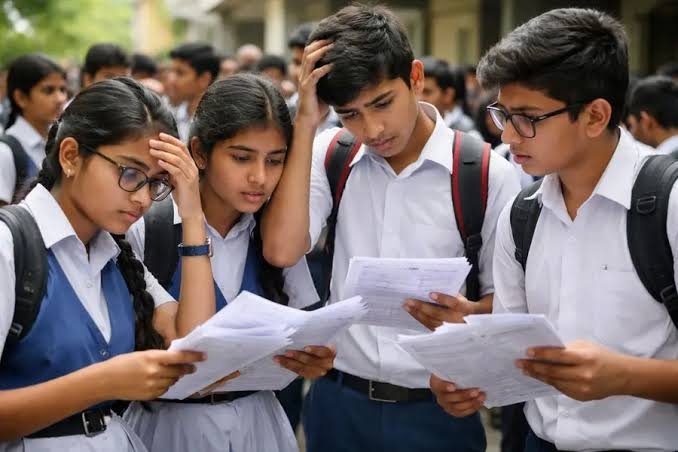
Budget announcements come with a lot of big numbers that honestly mean very little without context. When the education budget 2026 India was announced, most news coverage focused on the total allocation figure — but what actually matters is where that money is going and how it affects students, teachers, and schools on the ground.
What Are the Key Highlights of Education Budget 2026 India
Quick answer: the education budget 2026 India allocated increased funding toward digital infrastructure in government schools, expanded scholarship scheme budgets, higher allocation for skill development integration under NEP 2020, and continued investment in higher education research funding through bodies like UGC and AICTE.
Overall Allocation and Sector-Wise Breakdown
The total education sector allocation saw a moderate increase compared to the previous year, with the distribution spread across school education, higher education, and skill development verticals.
Broad allocation priorities included:
- School education infrastructure and digital classroom expansion
- Higher education research grants and institutional funding
- Scholarship and financial aid scheme budgets
- Teacher training and professional development programs
Increased Focus on Digital Infrastructure
A significant portion of this year’s budget continues pushing toward digital classroom expansion, particularly in government schools that have historically lagged behind private institutions in technology access.
[link to related guide on best education apps for students here]
This includes funding for:
- Smart classroom equipment rollout in additional government schools
- Expanded DIKSHA platform content development, including regional languages
- Internet connectivity infrastructure improvements for rural schools
Scholarship Scheme Budget Expansion
Scholarship allocations, particularly for SC, ST, OBC, and economically weaker section students, saw a notable budget increase this cycle, reflecting continued government emphasis on reducing dropout rates linked to financial constraints.
[link to related guide on sc st obc scholarship india here]
Picture a family in a semi-rural area where finances were the deciding factor in whether a daughter continued her education past Class 10 — expanded scholarship budgets directly translate into more families able to make that choice affirmatively.
Higher Education Research Funding
Universities and research institutions received continued, and in some areas increased, funding support through UGC and AICTE channels, particularly targeting research infrastructure and faculty development programs.
This matters for India’s broader push to strengthen research output and international academic competitiveness, though the actual on-ground impact typically takes a few years to become visible in institutional outcomes.
Skill Development and Vocational Training Integration
Continuing the NEP 2020 direction, this year’s budget maintained strong allocation toward integrating vocational skill training within mainstream school and higher education curriculum, rather than treating it as a separate track.
Teacher Training Budget Allocation
Recognizing that infrastructure alone doesn’t improve educational outcomes, a portion of the budget specifically targets teacher training programs, aiming to better equip educators for the competency-based assessment shifts happening simultaneously across CBSE and other boards.
[link to related guide on cbse exam pattern changes 2026 here]
What This Budget Means for Government School Students
For students in government schools specifically, the practical impact should show up gradually through improved digital access, potentially updated learning materials, and expanded scholarship eligibility for continuing education.
Criticism and Concerns Raised About the Budget
Not everyone views the allocation as sufficient — education policy experts have pointed out that overall education spending as a percentage of GDP remains below the 6% target recommended by earlier policy commitments, a gap that’s persisted across multiple budget cycles.
I think this criticism is fair and worth acknowledging honestly, even while recognizing the positive direction of specific allocations within the budget.
FAQ
How much did India’s education budget increase in 2026 compared to the previous year? The overall allocation saw a moderate percentage increase; specific figures are best verified through the official Ministry of Finance budget documents for precise numbers.
Does the education budget 2026 India directly benefit private school students? Most direct allocations target government schools and public higher education institutions; private school students benefit more indirectly through policy frameworks rather than direct funding.
Will scholarship amounts increase because of this budget? Scholarship scheme budgets saw expansion, which may translate into increased eligibility coverage or amounts, though specifics vary by individual scheme.
How does this budget affect higher education research opportunities? Increased UGC and AICTE research funding potentially expands grant availability and infrastructure development at eligible universities and research institutions.
Where can I find official details of the education budget 2026 India allocation? The Ministry of Finance and Ministry of Education official websites publish detailed budget documents following the annual budget announcement.
Conclusion
Understanding the education budget 2026 India allocation beyond just headline numbers helps clarify what’s actually changing for students, teachers, and institutions on the ground. The increased focus on digital infrastructure, scholarship expansion, and skill integration reflects continued NEP 2020 priorities, even as valid criticism remains about overall spending levels relative to long-standing targets. Staying informed on where this funding actually flows helps students and families better understand and access the resources genuinely available to them this year.
Suggested image alt text:
- “Education budget 2026 India allocation infographic”
- “Government school benefiting from increased digital infrastructure funding”
- “Student accessing expanded scholarship scheme after budget announcement”