Young children possess an innate curiosity about everything in their environment. From asking why the sky turns orange at sunset to investigating how ants carry crumbs across a path, preschoolers constantly seek to make sense of the world around them. Traditional early childhood education often relies on passive instruction, where teachers present facts for children to memorise. However, modern educational approaches flip this dynamic entirely. Embracing inquiry-based learning transforms young minds from passive listeners into active investigators, fostering deep independence and a lifelong love for discovery.
Sparking Curiosity: Shifting from Answers to Exploration
Childhood development thrives when educators trade rigid lectures for open-ended questions. Instead of simply telling children how plants grow, teachers encourage young learners to plant seeds, measure sprouts, and observe daily changes firsthand.
Adopting inquiry-based learning nurtures natural curiosity by placing the child’s questions at the heart of every lesson. When children drive their own learning journeys, they take genuine ownership of their educational progress. Teachers act as attentive facilitators who guide discussions, provide safe testing tools, and prompt deeper thinking rather than delivering immediate answers. This active exploration builds self-reliance early, teaching children that they possess the power to find solutions independently.
Building Resilience: Turning Setbacks into Discovery
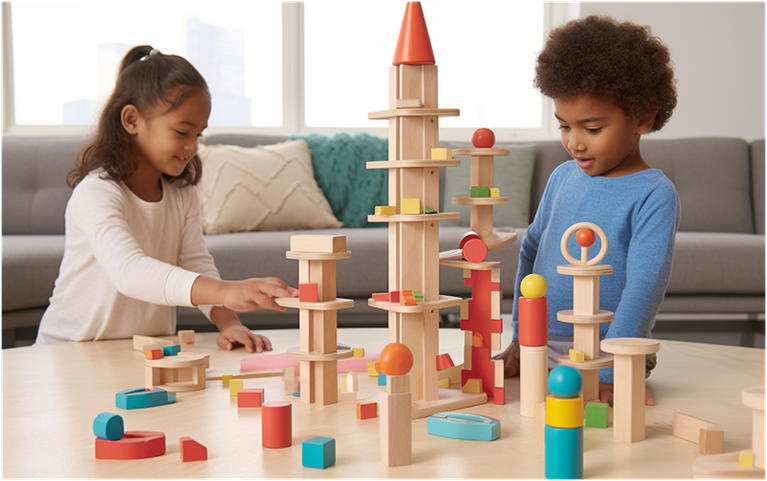
Independent learners do not fear making mistakes; they treat unexpected results as exciting clues. When a child constructs a tall wooden block tower that suddenly collapses, a traditional setting might frame the fall as a failure.
In contrast, an inquiry-driven environment encourages young builders to investigate why the structure fell. Did the base lack stability? Was the top block too heavy? Children analyse the outcome, modify their approach, and rebuild stronger structures. This trial-and-error process builds critical thinking skills and emotional resilience. When children realise that patience and experimentation lead to success, they tackle new challenges with incredible self-assurance.
Choosing Quality Education: What Defines Top Learning Environments?
The right educational foundation sets the stage for your child’s long-term academic success. Parents researching options want a nurturing space that balances structured development with child-led exploration.
When evaluating the best preschool in Singapore, look for institutions that prioritise active, child-centred learning frameworks. The top centres offer these key learning environments:
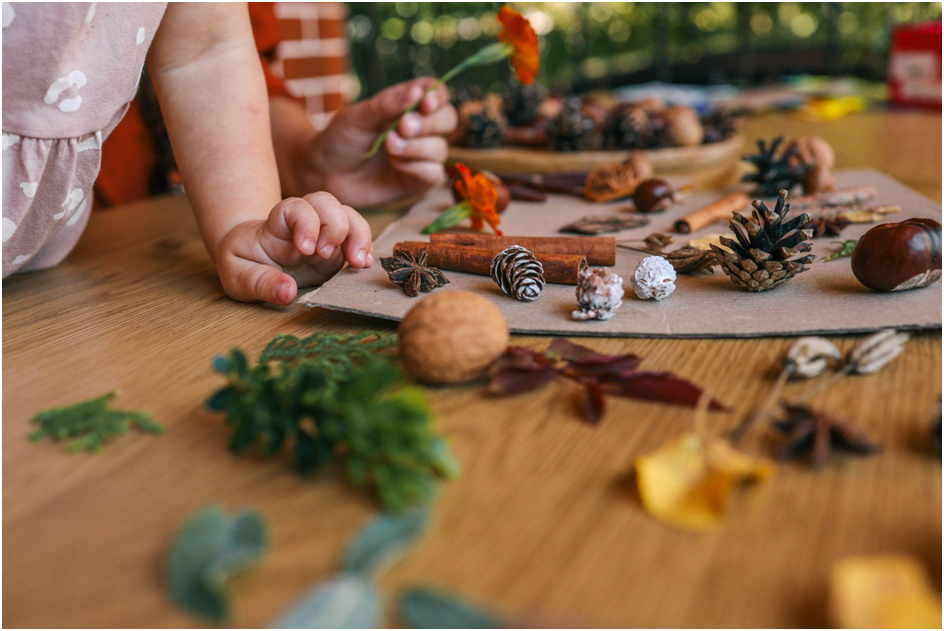
- Interactive Discovery Corners – Dedicated areas equipped with magnifying glasses, natural items, and building materials that invite spontaneous hands-on experimentation.
- Open-Ended Questioning Practices – Skilled educators who ask “What do you think will happen next?” rather than demanding a single right answer.
- Collaborative Project Zones – Spaces where children work in small teams to plan experiments, share ideas, and solve challenges together.
- Rich Outdoor Learning Spaces – Natural environments that encourage children to observe weather patterns, inspect ecosystems, and connect with nature directly.
A curriculum that integrates these features helps your child develop essential critical thinking and communication skills well before primary school.
Empowering Young Minds: Long-Term Benefits for Primary School
The transition from kindergarten to formal primary education requires more than just knowing numbers and letters. Primary schools demand self-motivation, adaptability, and independent problem-solving skills.
Children who experience active exploration during their formative years adapt seamlessly to primary school expectations. Because they learn to formulate hypotheses, test ideas, and articulate their thoughts clearly, they raise their hands confidently in large primary classrooms. Seeking out the best preschool in Singapore guarantees that your child receives the guidance needed to master both foundational literacy and self-directed study habits.
Fostering Lifelong Curiosity: The Power of Independent Discovery
Nurturing self-reliant, curious, and resilient young thinkers starts with honouring their natural desire to explore. By embracing child-led discovery, early childhood educators build a strong foundation that helps children navigate new academic and personal challenges with lasting confidence.
Frequently Asked Questions
What is the main difference between traditional learning and inquiry-based learning?
Traditional learning relies on teacher-led instruction and memorisation. Inquiry-based learning encourages children to ask questions, conduct hands-on experiments, and discover answers independently with teacher guidance.
How does an inquiry-based curriculum prepare children for primary school?
It builds essential soft skills, including critical thinking, problem-solving, resilience, and communication. These skills help children adapt smoothly to the self-directed demands of primary education.
Can very young toddlers participate in inquiry-based activities?
Yes! Even toddlers engage in inquiry through sensory play, such as testing which objects float in water or exploring different fabric textures with their hands.
Empower your child with an enriching early education that inspires confidence, independence, and a lifelong passion for discovery. Contact E-Bridge Pre-School today to schedule a school tour!